%20(1).png)
The Best Types of Roofs for Solar Panels
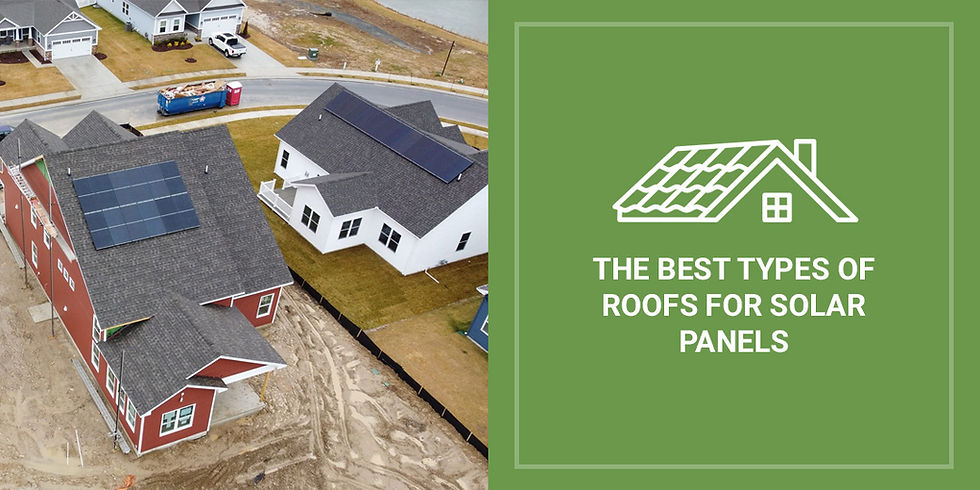
Table of Contents
Asphalt Shingle Roofs: The Most Popular Choice
Metal Roofs: The Ideal Solar Platform
Tile Roofs: Beautiful But Challenging
Slate Roofs: Premium Material With Limitations
Tar and Gravel Roofs: Flat Roof Solutions
TPO and EPDM Roofs: Modern Flat Roof Options
Wood Shake Roofs: Rare and Problematic
Installing solar panels on your roof can slash your energy bills and reduce your carbon footprint. What you might not know is that not every roof works equally well for solar installation. The type of roofing material you have affects how installers mount the panels, how long the system lasts, and even how much energy you can generate.
If you’re thinking about investing in solar, you’ll need to know if your roof can support solar panels before you commit to the project. Some materials make installation simple and cost-effective. Others require special mounting equipment or extra reinforcement. This article examines the most common roofing types, explains which ones work best for solar panel systems, and provides tips for getting your own roof ready.
Asphalt Shingle Roofs: The Most Popular Choice
Asphalt shingles cover more homes in America than any other roofing material. According to the Asphalt Roofing Manufacturers’ Association, you'll find them on roughly 80% of residential properties across the country. This popularity makes them the most common roof type for solar panel installations.
Solar installers prefer working with asphalt shingles because the material is easy to penetrate and seal during the mounting process. Installation crews attach mounting hardware directly through the shingles and into the roof deck below. They use flashing and sealant to prevent water from seeping through the attachment points, creating a watertight seal that protects your home for decades.
You'll encounter two types of asphalt shingles on the market. Three-tab shingles are flat and uniform, while architectural shingles have a dimensional, textured appearance. Both types work well for solar panels, but architectural shingles typically last longer. They can support solar equipment for 20 to 30 years without needing replacement, which aligns well with the lifespan of most solar panel systems.
The real appeal of asphalt shingle roofs lies in their combination of affordability and solar compatibility. Installation costs stay low because installers don't need specialized equipment or techniques. The shingles themselves are also inexpensive to repair or replace if you need to remove panels for roof maintenance, so you won't face unexpected expenses or complicated removal procedures down the line.
Metal Roofs: The Ideal Solar Platform
Metal roofs rank as the best option for solar panel installation. Their lifespan stretches from 40 to 70 years, far outlasting most solar panel warranties. This longevity means you'll likely replace your solar panels before you ever need a new roof, eliminating the headache of removing equipment for roofing repairs.
Beyond their durability, metal roofs have another major advantage during installation: they don't normally require drilling holes for solar panel mounting. Instead, installers use specialized clamps that attach directly to the raised seams on standing seam metal roofs. These clamps grip the seams securely while leaving the metal surface completely intact, so you never have to worry about leaks from penetration points.
The benefits of metal roofing extend to your system's performance as well. Metal roofs reflect heat rather than absorbing it the way asphalt shingles do. This reflection keeps your attic cooler throughout the day and creates better conditions for solar panel performance. Solar panels lose efficiency as their temperature rises, so the naturally cooler surface of metal roofing helps your system generate more electricity during hot summer months.
The upfront cost of metal roofing runs higher than that of asphalt shingles. However, you'll save money over time because metal roofs rarely need repairs or maintenance. If you're planning to install solar panels and need a new roof soon, metal roofing makes financial sense. You'll pay more initially, but avoid the expense of roof replacement during your solar system's lifespan.
Tile Roofs: Beautiful But Challenging
Tile roofs are as strong as they are attractive: clay and concrete tiles can last 50 years or more with proper maintenance. This overall durability makes them an attractive option for solar panel installation, but they do come with some challenges:
Damage Risk: Solar installation crews must take extra care when working on tile roofs to avoid damage. They often need to remove tiles temporarily to install mounting hardware, then replace them after securing the mounts. This delicate work requires more time and labor than installing panels on asphalt or metal roofs, which drives up your installation costs.
Weight: Clay and concrete tiles are heavy, and adding solar panels increases the load on your roof structure. You may need a structural assessment before installation to verify your roof can handle the combined weight. Some homes require additional reinforcement, which adds to your total project cost.
Despite these challenges, tile roofs can support solar panels successfully. Spanish-style clay tiles and flat concrete tiles, in particular, both work well once the mounting system is in place. You'll pay more for installation compared to asphalt shingles, but your roof will maintain its attractive appearance while generating clean energy. The key is working with installers who have experience handling tile roofs and know how to protect your investment.
Slate Roofs: Premium Material With Limitations
Slate roofs can last 100 years or more when properly maintained, so they’re certainly resilient. But slate tiles are extremely brittle and can shatter easily under pressure. Solar installers have to exercise extreme caution during every step of the installation, which significantly increases labor time and costs.
The fragility of slate creates another concern beyond installation difficulty. Removing and replacing broken slate tiles costs far more than replacing asphalt shingles or repairing metal roofing. If an installer damages tiles during the mounting process, you'll pay premium prices for matching replacements. Finding slate that matches your existing roof's color and texture can take weeks or months, particularly if you have an older home with discontinued tile styles.
Many solar companies hesitate to work on slate roofs or charge premium rates for the service. Some installers refuse slate projects altogether because the risk of damage is too high. If you have a slate roof and want solar panels, you'll need to find a company with extensive experience in slate installations. Expect to pay substantially more than you would for installation on other roof types, and prepare for a longer timeline from start to finish.
Tar and Gravel Roofs: Flat Roof Solutions
Tar and gravel roofs, also known as built-up roofing, appear mainly on commercial buildings and some residential properties with flat or low-slope designs. These roofs consist of layers of tar and gravel that create a waterproof surface. Since they're so durable, they can last 20 to 30 years with regular maintenance.
Solar panel installation on tar and gravel roofs calls for a different approach than sloped roofs. Installers can't drill through the waterproof membrane without risking leaks and water damage; instead, they use ballasted mounting systems that sit on the roof surface. These systems rely on weight to hold the solar panels in place rather than penetrating the roofing material.
Ballasted systems work well on flat roofs because they distribute weight evenly across the surface. The mounting racks sit on rubber pads that protect the tar and gravel from damage. Concrete blocks or other heavy materials anchor the system and prevent wind from lifting the panels. However, your roof structure must be strong enough to support the additional weight of the mounting system and panels combined.
One advantage of tar and gravel roofs is the flexibility in panel positioning. Installers can angle the solar panels toward the sun for optimal energy production since flat roofs don't dictate panel orientation. You'll capture more sunlight throughout the day compared to panels that must follow your roof's existing slope. This flexibility can increase your system's overall energy output and improve your return on investment.
TPO and EPDM Roofs: Modern Flat Roof Options
TPO (thermoplastic polyolefin) and EPDM (ethylene propylene diene monomer) roofs have become popular choices for flat and low-slope buildings. These single-ply membrane roofs, which are waterproof and typically last 20 to 30 years, appear on many newer commercial buildings and contemporary homes with flat roof designs.
Installing solar panels on TPO and EPDM roofs follows similar principles to tar and gravel installations. Penetrating the membrane creates potential leak points that can compromise your roof's waterproofing. Installers prefer ballasted mounting systems or attachment methods that minimize roof penetrations. Some newer systems use specialized attachments that bond to the membrane without creating holes.
TPO roofs have a white or light-colored surface that reflects sunlight and keeps buildings cooler. This reflective property benefits solar panel performance by maintaining lower surface temperatures. Your panels operate more efficiently when they stay cooler, which means you'll generate more electricity per panel. EPDM roofs are typically black and absorb more heat, but they're less expensive than TPO and equally suitable for solar installations.
Ballasted systems add weight to the roof structure, so you'll need an engineering assessment to confirm your building can support the combined weight of the mounting system, panels, and any snow or debris that accumulates. Buildings with adequate structural support can host large solar arrays on TPO or EPDM roofs without any issues.
Wood Shake Roofs: Rare and Problematic
Wood shake roofs have fallen out of favor in recent years due to fire concerns and maintenance requirements. You'll rarely see new wood shake installations, though older homes in some regions still have them. These roofs can last 30 years with diligent upkeep, but they present multiple challenges for solar panel installation.
Fire Safety Concerns: Fire safety stands as the primary concern with wood shake roofs and solar panels. Many insurance companies won't cover homes with wood shake roofs because of the fire risk. Adding solar panels with electrical components increases this concern. Some areas have banned wood shake roofs entirely due to wildfire dangers.
Irregular Mounting Surface: The irregular surface of wood shakes makes mounting solar panels difficult. Unlike flat shingles or smooth metal, wood shakes have an uneven texture that doesn't provide a stable mounting surface. Installers must work around gaps and variations in the shake placement, which increases installation time and makes it harder to create watertight seals around mounting hardware.
Most solar companies recommend replacing wood shake roofs before installing panels. Metal or asphalt shingles will give you a safer, more reliable platform for your solar investment. Finding an installer willing to work with wood shake roofs will be difficult and expensive, so upgrading first may be your best option.
Factors That Affect Solar Panel Installation on Any Roof
Beyond the roofing material itself, several other factors determine how well your roof will work for solar panels. They include, but may not be limited to:
Roof Age and Condition: Your roof's age matters more than the material type in some cases. Installing solar panels on a roof that needs replacement within five to ten years doesn't make financial sense. You'll pay to remove and reinstall the panels when you replace your roof, which can cost thousands of dollars. Getting a roof inspection before solar installation saves you from this expensive mistake.
Roof Pitch and Orientation: The angle and direction of your roof affect how much energy your panels can generate. South-facing roofs with a pitch between 15 and 40 degrees produce the most electricity in the northern hemisphere. East and west-facing roofs still work but generate less power. Flat roofs give you the flexibility to angle panels optimally regardless of your building's orientation.
Structural Integrity: Your roof structure must support the weight of solar panels and mounting equipment. Most residential roofs can handle this load without modification, but older homes or buildings with structural damage may need reinforcement. A structural engineer can assess your roof's load-bearing capacity and recommend any necessary upgrades before installation.
Shade Coverage: Trees, nearby buildings, or chimneys that cast shadows on your roof reduce solar panel efficiency. Even partial shading on one panel can affect your entire system's performance, depending on how the panels are wired. Trimming trees or choosing unshaded sections of your roof maximizes your energy production and return on investment.
Taking time to evaluate each one helps you make the right decisions for your property and budget.
How to Prepare Your Roof for Solar Panel Installation
Getting your roof ready for solar panels involves more than just choosing the right material. Taking the right preparatory steps saves you money and prevents problems down the road.
Schedule a Professional Roof Inspection: A thorough roof inspection reveals any damage or weakness that could affect your solar installation. Roofers check for missing shingles, damaged flashing, water damage, and structural issues. They'll tell you if repairs are needed before panels go up. Addressing these problems now prevents expensive fixes later.
Consider Roof Replacement Timing: If your roof has less than ten years of life remaining, replace it before installing solar panels. New roofing materials come with warranties that protect your investment for decades. This timing also lets you choose roofing materials that work best with solar equipment.
Clear Overhanging Branches: Trees near your roof create two problems for solar installations. Branches drop leaves and debris that accumulate on panels and reduce efficiency. Overhanging limbs also cast shadows that decrease energy production. Trimming branches back before installation gives your panels maximum sun exposure and reduces maintenance needs.
Verify Your Roof's Load Capacity: Contact a structural engineer to assess whether your roof can handle solar panel weight. This step is particularly important for older homes, flat roofs, or buildings with ballasted mounting systems. The engineer will calculate load requirements and recommend reinforcements if needed. Getting this assessment early prevents installation delays and safety issues.
Ready to Go Solar? Let Solair Green Energy Advisors Help
Solair Green Energy Advisors has helped homeowners and businesses across Delaware, Maryland, New Jersey, and Pennsylvania make the switch to clean, renewable energy for over a decade. Our team evaluates your roof type, condition, and solar potential to design a system that meets your needs and budget. We handle everything from initial assessment through installation and ongoing support, so you never have to worry about working with multiple contractors.
We don't just sell you solar panels and walk away. We also help you access available incentives and financing options to reduce your upfront costs and partner with top manufacturers to deliver quality equipment backed by 25-year warranties. Contact Solair Green Energy Advisors today for a free consultation and find out how we can transform your roof into a clean energy powerhouse. For more information, call 302-841-1108 or fill out our simple contact form.


